
Digital vs. Traditional Dentures: What North Penn Patients Should Know
At A Glance
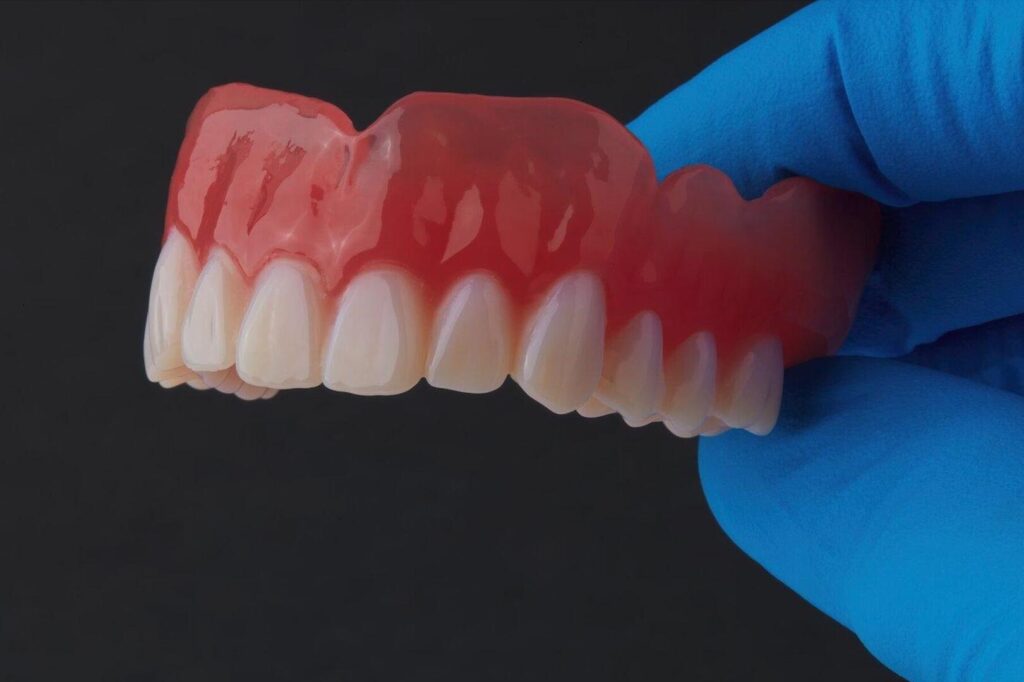
- Digital Dentures: Dentures can be designed, modeled, and prepared using modern 3D scanning and computer technology.
- Advantages: Working with precision digital processes affords more consistent and efficient patient experiences from initial impression and design to final fitting and repairs.
- Limitations: Even using modern technology, initial impressions and final adjustments during the try-in process are essential for patient comfort.
- Our Hybrid Approach: We balance the digital and physical approaches to creating quality dentures that can improve our patients lives.
If you are considering complete dentures, you may have come across the term “digital dentures.” Modern technology is changing how dentures are made, offering new levels of efficiency and precision. At the same time, traditional techniques remain incredibly important for achieving the best fit and long-term success.
The key takeaway is simple: the best dentures today are often made using a combination of digital technology and proven conventional methods.
What Are Digital Dentures?
Digital dentures use advanced tools such as 3D scanning, computer-aided design (CAD), and manufacturing through milling or 3D printing. This allows parts of the process to be more standardized and efficient compared to fully hand-crafted dentures.
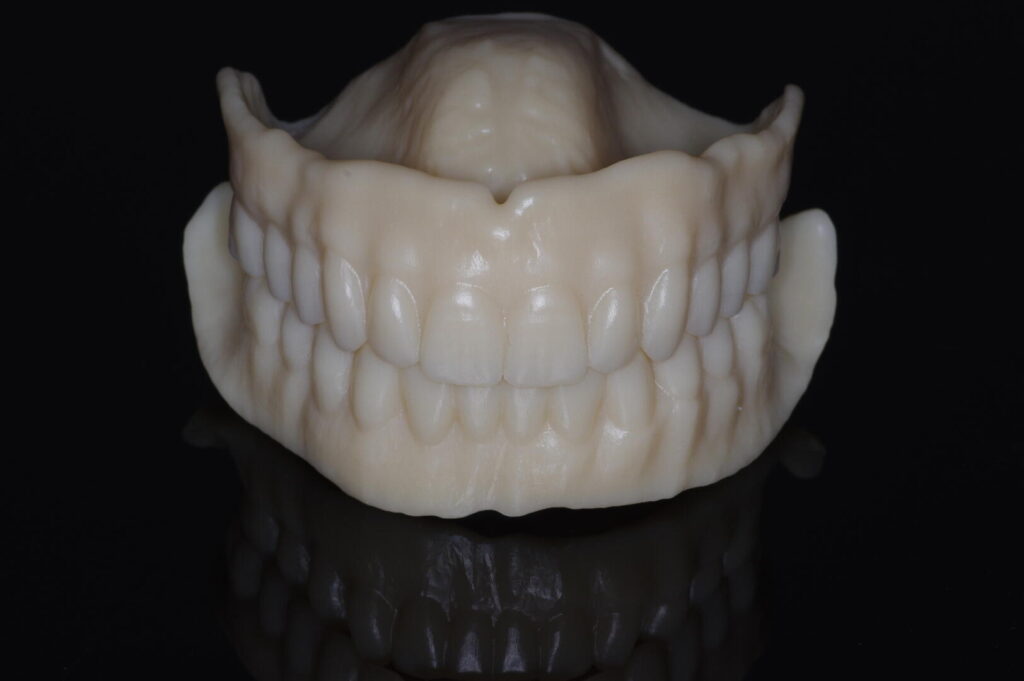
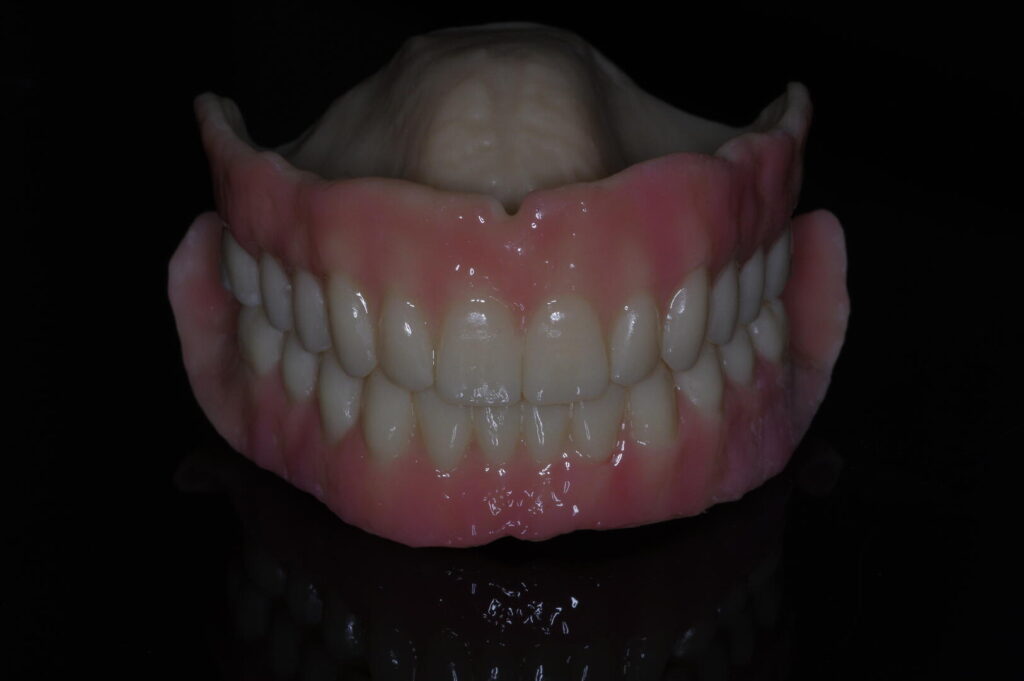
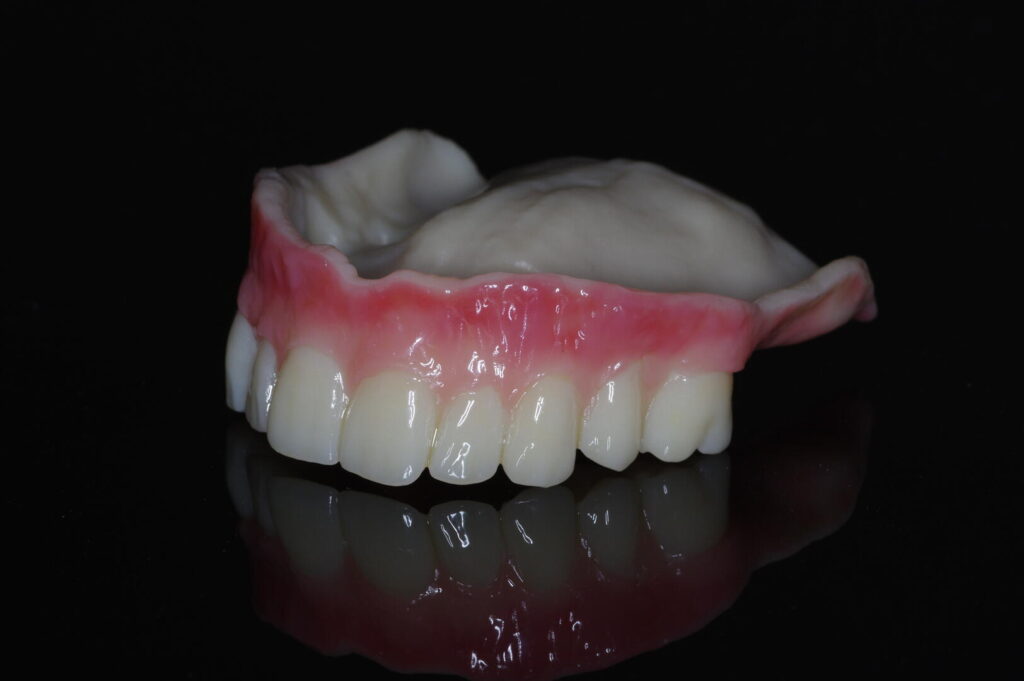
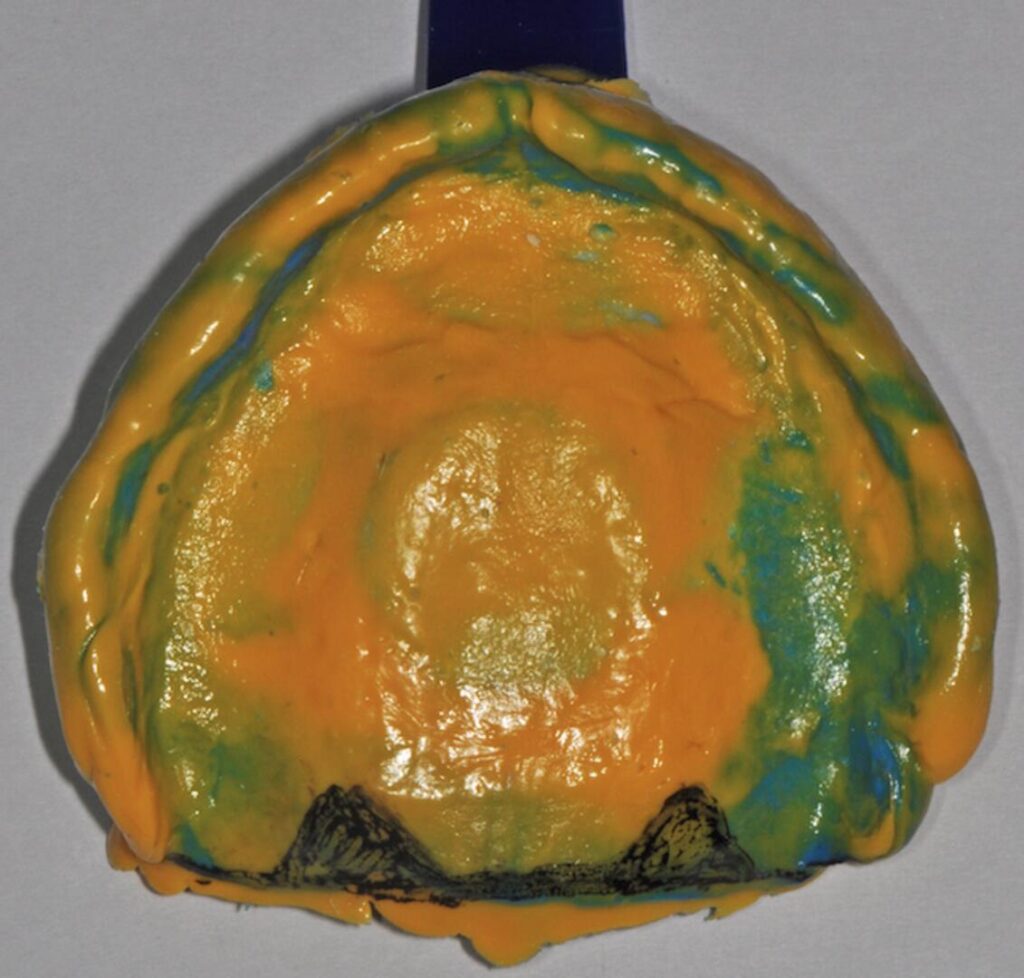
Traditional dentures, by contrast, rely on physical impressions, wax try-ins, and manual fabrication. These methods have been used successfully for decades and remain highly reliable—especially in complex cases.
Advantages of Digital Dentures
Greater Efficiency and Fewer Visits
One of the biggest advantages is convenience. Digital dentures can often be completed with fewer appointments and less chair time.
- 2–4 fewer visits in many cases
- Significant reduction in time spent in the dental chair
For patients, this means a more streamlined and comfortable experience.
Stronger, More Consistent Materials
Digital dentures are often fabricated from pre-processed acrylic blocks or advanced printed resins.
- More uniform material properties
- Reduced risk of internal defects
- Potential for improved durability
This leads to more consistent results compared to traditional processing methods.
Easier Replacement with Digital Records
Because digital dentures are designed on a computer, the files can be saved.
- Lost or broken dentures can be reproduced more easily
- Less need to restart the process from the beginning
This is a practical long-term advantage many patients appreciate.
High Precision Design
Digital systems allow precise control over tooth position, bite relationships, and denture base contours. Digital dentures can achieve a high level of accuracy, although clinical execution still plays a critical role.
Limitations of a Fully Digital Approach
Impression Quality Still Matters Most
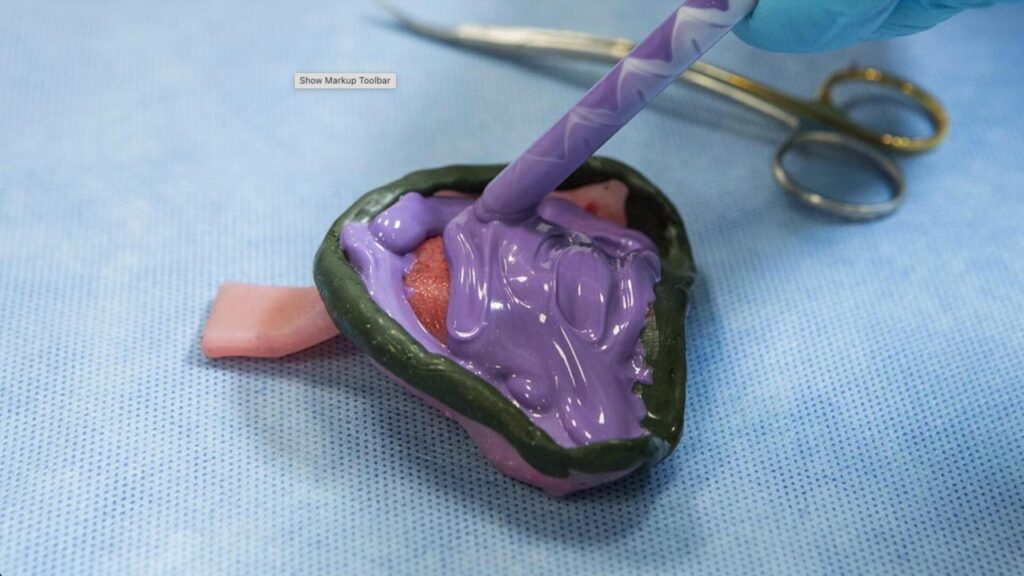
The fit of a denture depends heavily on how accurately the gums are captured. High-quality physical impressions often still provide the best retention.
Adjustments and Follow-Ups Are Normal
Even with digital workflows, additional adjustment visits are common. Fit, bite, and esthetics may need refinement, and some cases require remakes.
Try-In Stage Is Still Important
Skipping a try-in can increase the risk of bite discrepancies, esthetic concerns, and speech issues. Many clinicians still include this step when needed.
Our Approach: Combining Digital and Conventional Techniques
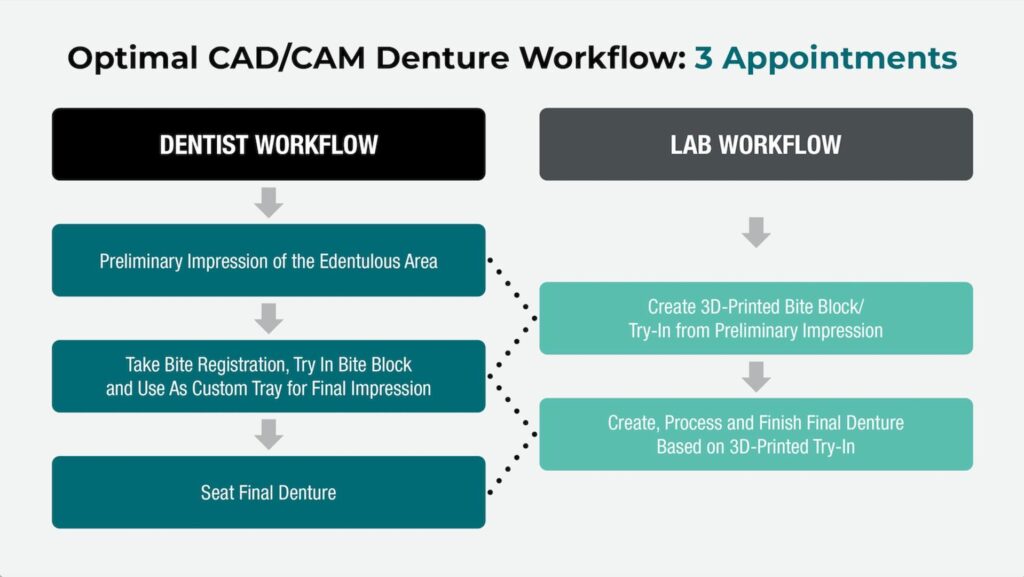
At our practice, we take a hybrid approach that prioritizes outcomes rather than strictly following one method.
We use digital technology to improve precision, reduce treatment time, and store records for future use. At the same time, we rely on conventional techniques—such as PVS impressions, border molding, and try-in appointments—when they provide clear clinical advantages.
Why This Matters for Patients
The success of a denture ultimately depends on fit, bite accuracy, esthetics, and long-term comfort. Digital technology enhances the process, but it does not replace clinical judgment.
Final Thoughts
Digital dentures represent a major advancement in modern dentistry. However, they are not a one-size-fits- all solution. The most predictable and successful outcomes come from combining digital precision with proven, hands-on techniques.
Our goal is to deliver dentures that look natural, feel comfortable, and function reliably—using every available tool to achieve the best possible result for each patient.
Ready To Restore Confidence In Your Smile? Schedule your digital dentures consultation today!