
What You Need To Know About Treatment Options In North Penn
If you or your child has been told that a lateral incisor never developed, you’re not alone.
Congenitally missing upper lateral incisors (the small teeth that flank your two front teeth) are one of the most common dental anomalies, affecting roughly 2% of the population. The good news is that modern prosthodontics offers highly effective solutions.
The better news?
The best option may not be the one you’ve heard the most about.
Why Replacing a Missing Lateral Incisor Matters
The lateral incisors play an important role in your smile’s symmetry and proportion. When one or both are absent, it can affect how your other teeth align, how your bite functions, and—let’s be honest—how confident you feel when you smile. Beyond cosmetics, leaving the space untreated long-term can lead to shifting of adjacent teeth and bone loss in the area.
The two most commonly discussed treatment paths are dental implants and the increasingly preferred resin-bonded fixed dental prosthesis (RBFDP)—sometimes called a Maryland bridge or, in its modern form, a cantilever zirconia bridge. Understanding the difference between these options is essential, because the right choice depends heavily on your age, the size of the space, and your long-term goals.
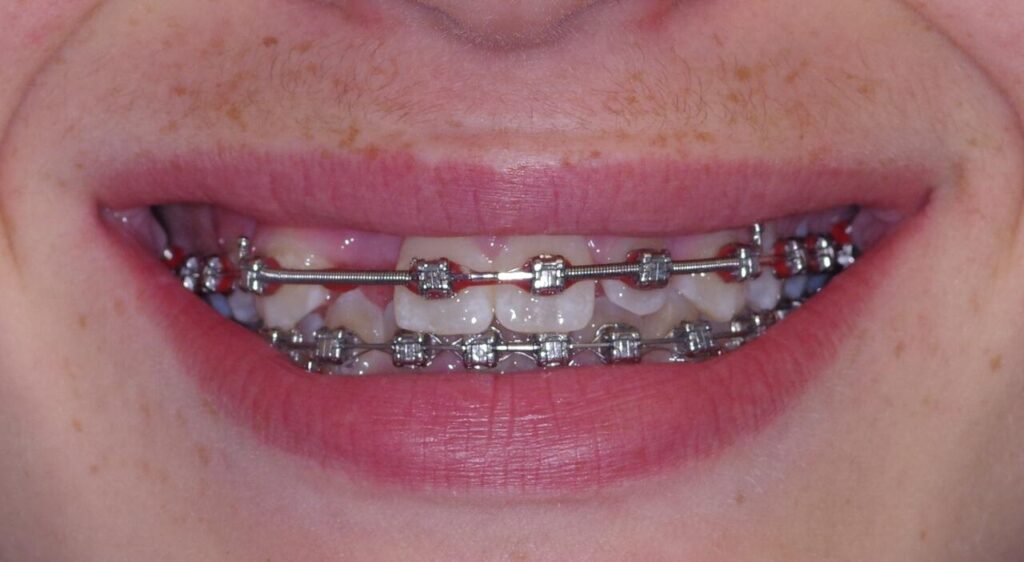
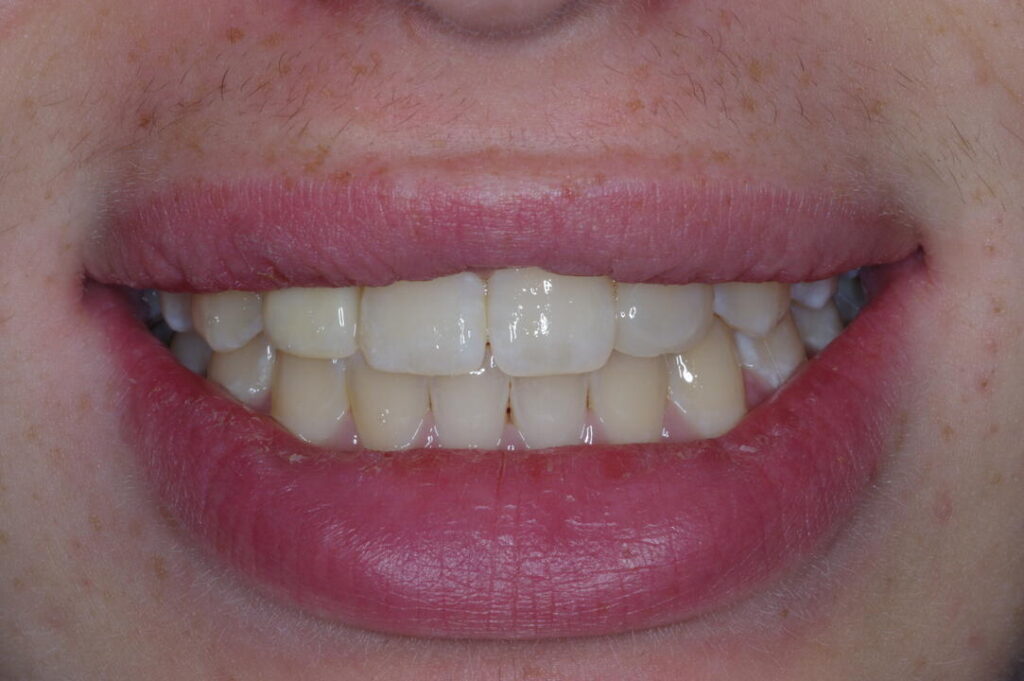
The Case for Dental Implants and Its Important Limitations
Dental implants are often presented as the gold standard for replacing missing teeth, and in many situations, they are. A titanium implant is placed into the jawbone and, once healed, supports a crown that looks and functions like a natural tooth. For many patients, implants are an excellent long-term solution.
However, when it comes to congenitally missing lateral incisors—especially in younger patients—implants come with critical timing and spacing considerations that are frequently underestimated.
- Age is perhaps the biggest factor. Dental implants are anchored in bone, which means they do not move or erupt the way natural teeth do. In younger patients, the jawbone is still growing and the adjacent teeth are still erupting into their final positions well into the late teens and early twenties. Placing an implant too early essentially “freezes” that position in time. As the surrounding teeth continue to erupt over the years, the implant crown can end up looking increasingly sunken compared to the adjacent teeth—a problem that becomes more visually apparent over time and may require costly revision. Most specialists agree that implants in the anterior region should not be placed until facial growth is complete, typically not before age 18 to 20 in women and 20 to 22 or later in men.
- Space is the other critical consideration. A natural lateral incisor typically occupies about 6 to 7 millimeters of space. For a standard implant to be placed safely without compromising the roots of the neighboring canine and central incisor—the gap must be adequately sized and properly positioned. In many congenitally missing lateral incisor cases, the available space is insufficient for an implant without significant orthodontic preparation, and sometimes the space simply cannot be made adequate without compromising the overall bite.
The Resin-Bonded Zirconia Cantilever Bridge: A Highly Effective Alternative
The modern resin-bonded fixed dental prosthesis, specifically the single-retainer cantilever design made from zirconia ceramic, has become a remarkably compelling option for replacing lateral incisors and the research to support it is substantial.
Here is how it works: a thin zirconia “wing” is bonded to the back surface of the adjacent tooth (typically the canine), supporting a lifelike replacement tooth in the gap. There is no surgery, no implant, no bone grafting, and no anesthesia beyond a routine dental visit. The preparation required on the supporting tooth is minimal, limited to a small amount of enamel, meaning the adjacent tooth remains largely intact. The result is a natural-looking, fixed (non-removable) tooth that patients often find indistinguishable from their natural teeth.
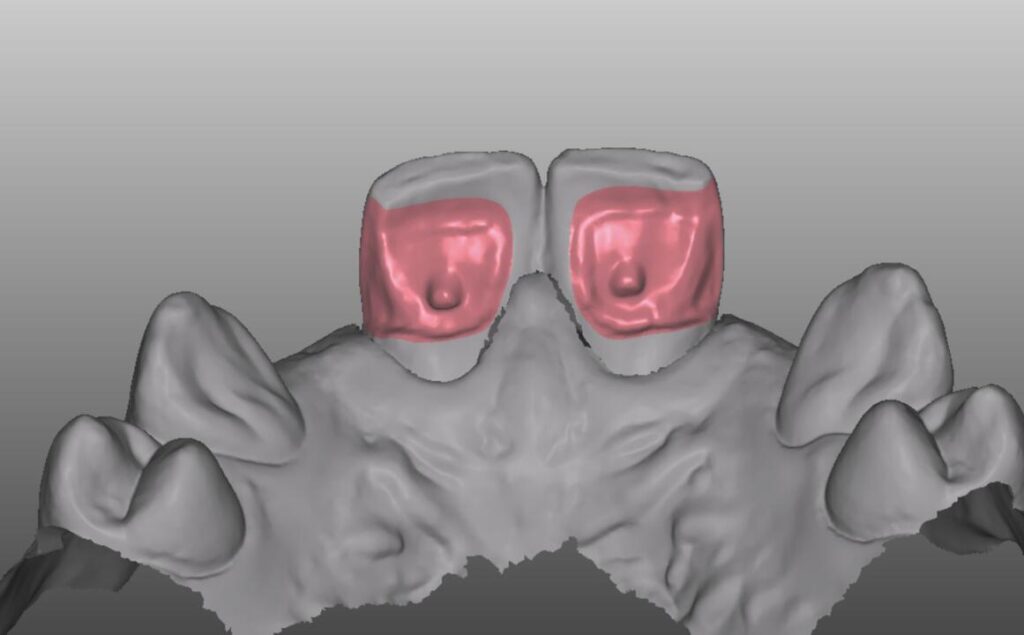
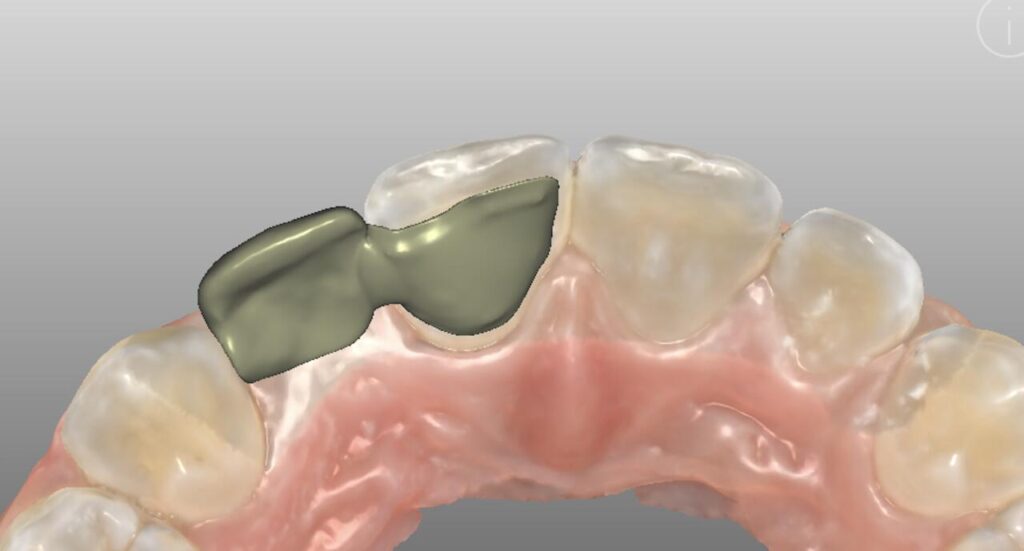
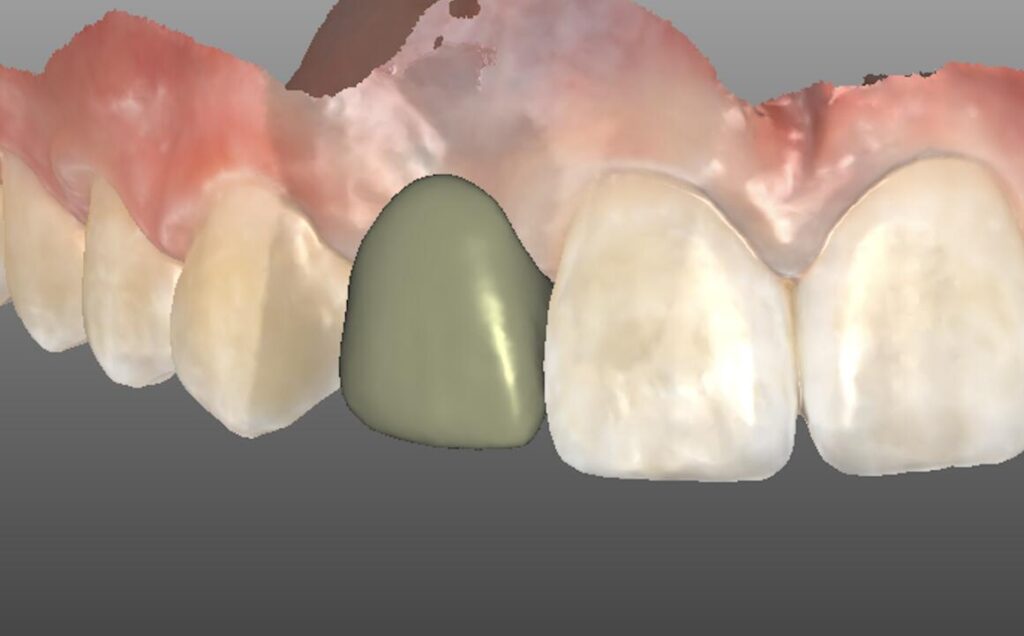
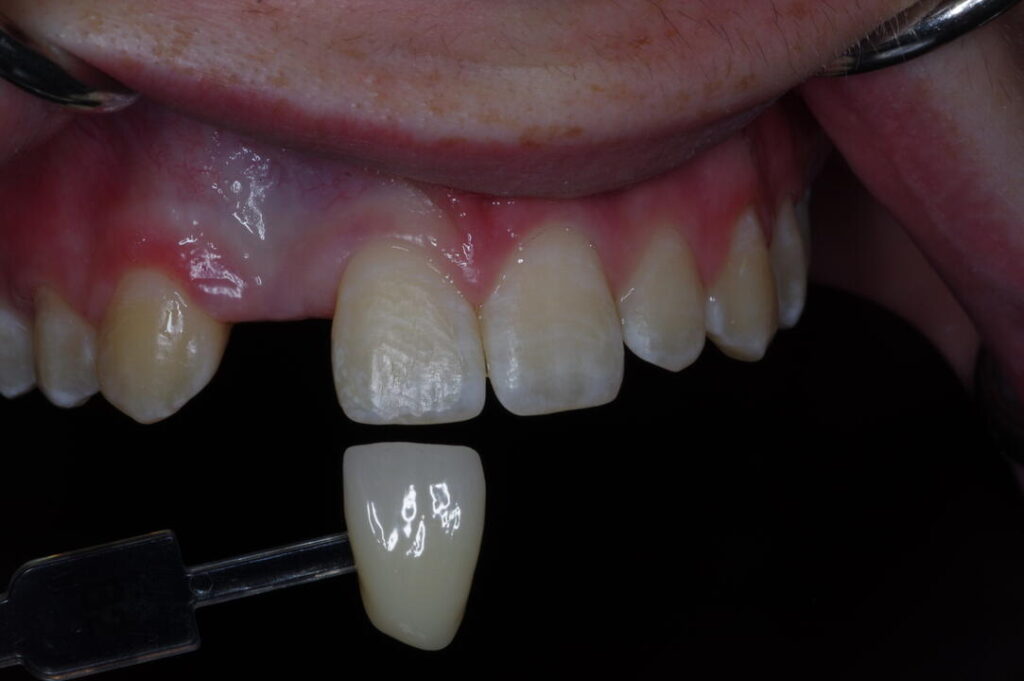
The advantages over implants in this specific situation are significant:
- No surgery required. For patients of any age—particularly adolescents and young adults—the ability to restore a missing tooth without surgical intervention is a major quality-of-life benefit. There is no healing period, no risk of surgical complications, and no waiting months for osseointegration.
- Age is not a barrier. Unlike implants, an RBFDP can be placed as soon as the adjacent teeth have fully erupted. This means a teenager who is self-conscious about a missing lateral incisor can have it restored beautifully, without having to wait years for implant candidacy.
- The adjacent teeth continue to erupt naturally. Because the restoration is bonded only to the surface enamel rather than anchored in bone, the natural eruption of surrounding teeth is not impaired. This is a crucial biological advantage over implants in growing patients.
- Exceptional esthetics. Zirconia is a tooth-colored ceramic that can be precisely shaded and shaped to match adjacent teeth. In skilled hands, the result is virtually indistinguishable from a natural lateral incisor—with healthy, naturally contoured gum tissue to match.
What the Research Shows
Perhaps the most compelling argument for the zirconia cantilever RBFDP is the growing body of long-term clinical evidence supporting it. Professor Matthias Kern and colleagues at the University of Kiel in Germany have produced some of the most important research in this area over the past two decades.
In a landmark long-term study, Kern and colleagues evaluated 328 cantilever zirconia RBFDPs placed in 258 patients between 2001 and 2022. Using the Kaplan-Meier method, they calculated a 15-year survival rate of 97.3%. To put that in perspective, that is an outcome that rivals or competes favorably with dental implants over the same period—without a single surgical procedure.
Earlier research from Kern’s group was equally encouraging. A study evaluating 108 zirconia ceramic cantilever RBFDPs found a 10-year survival rate of 98.2% and a success rate of 92.0%, with the reasons for missing incisors having no influence on longevity. Importantly, in cases where debonding did occur, the restoration could simply be rebonded. No framework fractures occurred in any of the zirconia RBFDPs, even after traumatic impact.
This data is not merely academic. It means that a well-executed zirconia cantilever bridge is a durable, predictable, long-term solution—not a temporary stopgap while waiting for an implant.
So Which Option Is Right for You?
The honest answer is: it depends, and the decision deserves careful, individualized evaluation by an experienced prosthodontist.
- For younger patients who are still growing, or patients where the available space is limited, the zirconia cantilever RBFDP is frequently the superior choice—offering immediate, beautiful, surgery-free results that do not interfere with the natural development of surrounding teeth.
- For adult patients with adequate bone, appropriate space, and fully completed facial growth, a dental implant may ultimately be the right long-term solution.
And in some cases, the two approaches can even be sequenced: an RBFDP placed during growth years, with an implant considered later in adulthood if desired. What matters most is that you receive a thorough evaluation that considers your specific anatomy, your age, your orthodontic history, and your personal preferences—not a one-size-fits-all recommendation.
At our practice, we specialize in the full spectrum of options for congenitally missing teeth and take pride in helping patients understand every detail of their choices. If you or your child has a missing lateral incisor and would like a personalized consultation, we invite you to contact our office.